Buy reuni.eu ?
We are moving the project
reuni.eu .
Are you interested in purchasing the domain
reuni.eu ?
domain@kv-gmbh.de · 0541-91531010
Buy reuni.eu ?
What was the Great Depression of 1930?
The Great Depression of 1930 was a severe worldwide economic depression that took place in the 1930s. It was the longest, deepest, and most widespread depression of the 20th century. The Great Depression was triggered by the stock market crash of 1929 and was characterized by high unemployment rates, deflation, a significant drop in industrial production, and a decline in international trade. It had devastating effects on individuals, families, businesses, and countries around the world. **
How did the Great Depression of 1929 end?
The Great Depression of 1929 ended through a combination of government intervention, economic reforms, and the onset of World War II. President Franklin D. Roosevelt's New Deal programs aimed to stimulate the economy and provide relief to those affected by the Depression. Additionally, the outbreak of World War II led to increased government spending and a surge in industrial production, which helped to pull the United States out of the economic downturn. The combination of these factors ultimately brought an end to the Great Depression. **

Similar search terms for Great Depression
Top-Angebote
Products related to Great Depression:
-
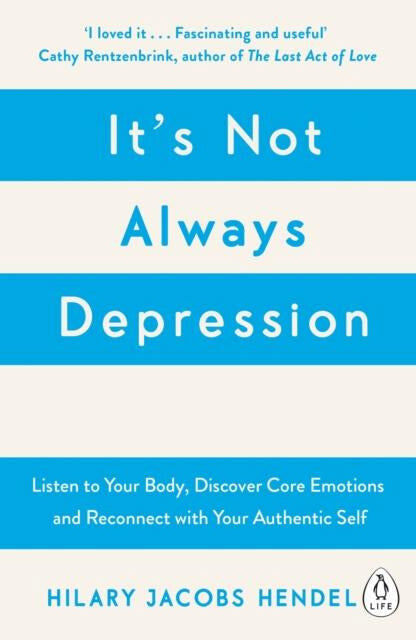
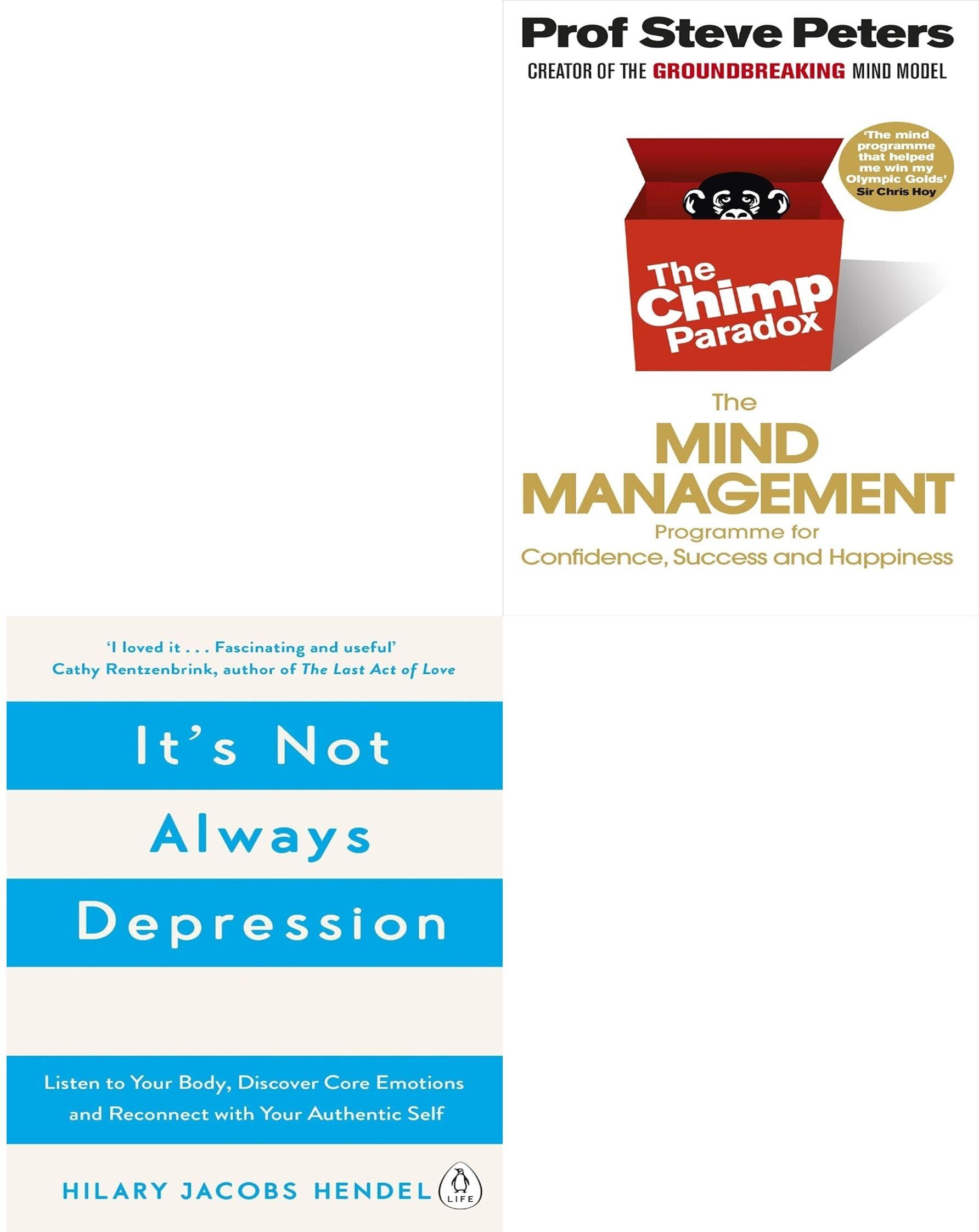
Vermilion It's Not Always Depression, The Chimp Paradox 2 Books Collection SetIt's Not Always Depression, The Chimp Paradox 2 Books Collection Set It's Not Always Depression: A New Theory of Listening to Your Body, Discovering Core Emotions and Reconnecting with Your Authentic Self American Book Fest Best Health Book (Mental Health & Psychology) Award Winner 2018 Cutting-edge and accessible psychotherapy to put us back in touch with our emotions - and fast 'I loved it ... I have drawn my own picture of the change triangle - both fascinating and useful' - Cathy Rentzenbrink We were all taught that our thoughts affect our emotions, but in truth it is largely the other way around: we have to experience our emotions to truly understand our thoughts, and our full selves. This is why we should think not only about cognitive behavioural therapy or medication, but also about our emotions, when addressing psychological suffering. In It's Not Always Depression, pioneering psychotherapist Hilary Jacobs Hendel reveals the most effective techniques for putting us back in touch with the emotions we too often deny - methods which can be used by anyone, any time, anywhere. Drawing on stories from her own practice, she sheds light on the core emotions (such as joy, sadness and fear), defences (anything we do to avoid feeling) and inhibitory emotions (anxiety, shame and guilt), and how understanding their interaction can help us return to mental well-being. This is the basis of 'accelerated experiential dynamic psychotherapy:' it accelerates healing through having an emotional experience in the here and now. It allows you to reacquaint yourself with your feelings, to recover a more authentic self and to be more calm, curious and connected. Winner of Nautilus Silver for Personal Growth Books 2019 The Chimp Paradox: The Acclaimed Mind Management Programme to Help You Achieve Success, Confidence and Happiness Do you sabotage your own happiness and success? Are you struggling to make sense of yourself? Do your emotions sometimes dictate your life? The Chimp Paradox is an incredibly powerful mind management model that can help you become a happy, confident, healthier and more successful person. Prof Steve Peters explains the struggle that takes place within your mind and then shows how to apply this understanding to every area of your life so you can: - Recognise how your mind is working - Understand and manage your emotions and thoughts - Manage yourself and become the person you would like to be The Chimp Mind Management Model is based on scientific facts and principles, which have been simplified into a workable model for easy use. It will help you to develop yourself and give you the skills, for example, to remove anxiety, have confidence and choose your emotions. The book will do this by giving you an understanding of the way in which your mind works and how you can manage it. It will also help you to identify what is holding you back or preventing you from having a happier and more successful life. Each chapter explains different aspects...14,99 £*Shipping: 2,99 £Secure redirect to the provider
-
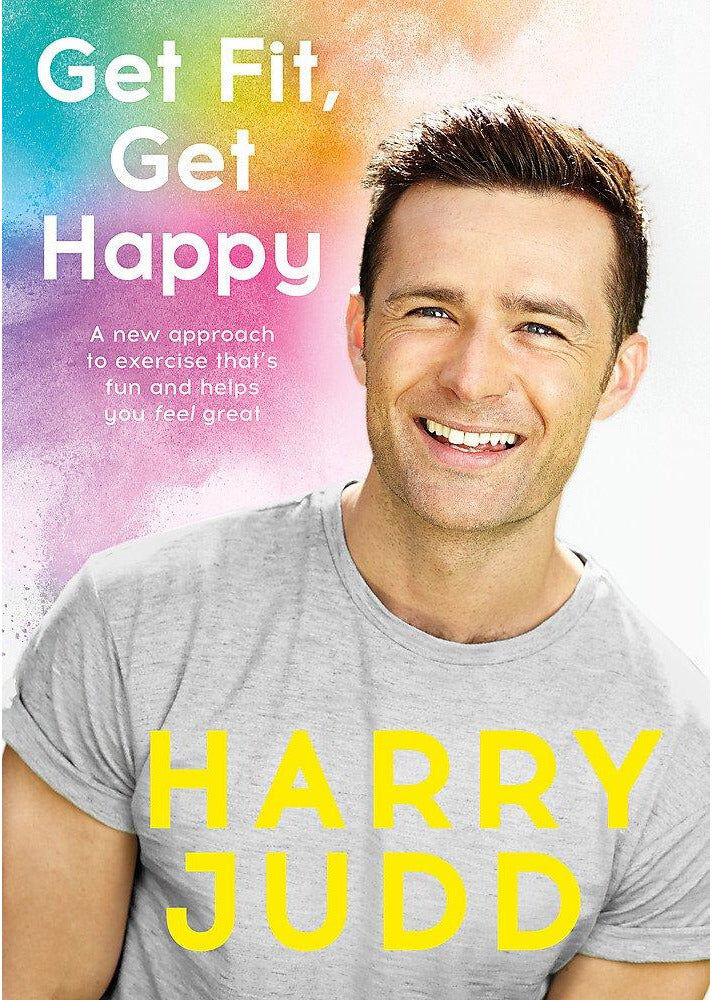
Coronet Get Fit, Get Happy: A new approach to exercise that's fun and helps you feel great by Harry JuddHarry Judd is a member of the hugely successful bands McFly and McBusted who have headlined Hyde Park, notched up 19 hit singles - of which 7 went to number one - and 2 number-one albums. He is a much-loved former Strictly Come Dancing champion and has been crowned the nation's favourite ever winner of the show. And yet in spite of this success, there have been times when Harry has been prone to anxiety and other mental health issues. He's not alone. Today, anxiety, depression and other mental health problems affect more of us than ever before and we are all looking for ways to adapt, cope and survive the pressures of daily life. The one thing that Harry has turned to time and time again to redress the balance in his life is fitness. Now, using a combination of exercise and dance, Harry makes the mood-boosting benefits of fitness accessible for everyone. Young or old, male or female, small or large, tall, short, thin, fat or somewhere in the middle: anyone will be inspired by Get Fit, Get Happy. Without any need for expensive kit or lots of time, Harry's approach is fun, fast, free. Part memoir in which Harry tells the life lessons that he has learned, and part richly researched fitness plan to get you feeling more positive, Get Fit, Get Happy is a fitness revolution to help people find a little more happiness in their lives.5,99 £*Shipping: 2,99 £Secure redirect to the provider
-
Canongate Books It's Not Always Depression, Reasons to Stay Alive 2 Books Collection SetIt's Not Always Depression, Reasons to Stay Alive 2 Books Collection Set It's Not Always Depression by Hilary We were all taught that our thoughts affect our emotions, but in truth it is largely the other way around: we have to experience our emotions to truly understand our thoughts, and our full selves. This is why we should think not only about cognitive behavioural therapy or medication, but also about our emotions, when addressing psychological suffering. In It's Not Always Depression, pioneering psychotherapist Hilary Jacobs Hendel reveals the most effective techniques for putting us back in touch with the emotions we too often deny - methods which can be used by anyone, any time, anywhere. Drawing on stories from her own practice, she sheds light on the core emotions (such as joy, sadness and fear), defences (anything we do to avoid feeling) and inhibitory emotions (anxiety, shame and guilt), and how understanding their interaction can help us return to mental well-being. This is the basis of 'accelerated experiential dynamic psychotherapy:' it accelerates healing through having an emotional experience in the here and now. It allows you to reacquaint yourself with your feelings, to recover a more authentic self and to be more calm, curious and connected. Reasons To Stay Alive by Matt Haig WHAT DOES IT MEAN TO FEEL TRULY ALIVE? Aged 24; Matt Haig's world caved in. He could see no way to go on living. This is the true story of how he came through crisis; triumphed over an illness that almost destroyed him and learned to live again. A moving; funny and joyous exploration of how to live better; love better and feel more alive; Reasons to Stay Alive is more than a memoir. It is a book about making the most of your time on earth. 'I wrote this book because the oldest clicheacute;s remain the truest. Time heals. The bottom of the valley never provides the clearest view. The tunnel does have light at the end of it; even if we haven't been able to see it . . . Words; just sometimes; really can set you free.5,99 £*Shipping: 2,99 £Secure redirect to the provider
-
Penguin It's Not Always Depression, The Courage To Be Disliked 2 Books Collection SetIt's Not Always Depression, The Courage To Be Disliked 2 Books Collection Set It's Not Always Depression: A New Theory of Listening to Your Body, Discovering Core Emotions and Reconnecting with Your Authentic Self American Book Fest Best Health Book (Mental Health & Psychology) Award Winner 2018 Cutting-edge and accessible psychotherapy to put us back in touch with our emotions - and fast 'I loved it ... I have drawn my own picture of the change triangle - both fascinating and useful' - Cathy Rentzenbrink We were all taught that our thoughts affect our emotions, but in truth it is largely the other way around: we have to experience our emotions to truly understand our thoughts, and our full selves. This is why we should think not only about cognitive behavioural therapy or medication, but also about our emotions, when addressing psychological suffering. In It's Not Always Depression, pioneering psychotherapist Hilary Jacobs Hendel reveals the most effective techniques for putting us back in touch with the emotions we too often deny - methods which can be used by anyone, any time, anywhere. Drawing on stories from her own practice, she sheds light on the core emotions (such as joy, sadness and fear), defences (anything we do to avoid feeling) and inhibitory emotions (anxiety, shame and guilt), and how understanding their interaction can help us return to mental well-being. This is the basis of 'accelerated experiential dynamic psychotherapy:' it accelerates healing through having an emotional experience in the here and now. It allows you to reacquaint yourself with your feelings, to recover a more authentic self and to be more calm, curious and connected. Winner of Nautilus Silver for Personal Growth Books 2019 The Courage To Be Disliked: A single book can change your life THE 10 MILLION COPY BESTSELLER Stop people-pleasing and achieve true happiness. Millions have already benefited from the wisdom dispensed in The Courage to Be Disliked, its simple yet profound advice showing us how to harness our inner power to become the person we would like to be. A philosopher and a student have a discussion. Their conversation reveals a profoundly liberating way of thinking: by developing the courage to change, set healthy boundaries and resist the impulse to please others, it is possible to find genuine and lasting happiness. Your life is not something that someone gives you, but something you choose yourself, and you are the one who decides how you live.10,99 £*Shipping: 2,99 £Secure redirect to the provider


-
Why was Germany particularly affected by the Great Depression?
Germany was particularly affected by the Great Depression due to a combination of factors. The country had already been struggling economically after World War I and the Treaty of Versailles imposed heavy reparations on Germany. Additionally, Germany relied heavily on foreign loans and investments, which dried up during the Depression. The collapse of the global economy led to a sharp decline in German exports and industrial production, exacerbating the economic crisis in the country. **
-
What happened in the year 1930 during the Great Depression?
During the year 1930, the Great Depression deepened as the stock market continued to decline and unemployment rates soared. Many businesses and banks failed, leading to widespread financial hardship for millions of people. The Dust Bowl also began in the early 1930s, causing severe drought and dust storms in the Great Plains region, further exacerbating the economic and environmental challenges faced by Americans. The combination of these factors made 1930 a particularly difficult year for those living through the Great Depression. **
-
Was the Great Depression of 1929 purely a stock market crisis?
The Great Depression of 1929 was not purely a stock market crisis. While the stock market crash of 1929 was a significant factor that triggered the economic downturn, there were other underlying causes that contributed to the severity and duration of the Depression. These included overproduction, high levels of debt, unequal distribution of wealth, and a lack of government regulation in the financial sector. The combination of these factors led to a widespread economic collapse that affected not only the stock market but also industries, businesses, and individuals across the country. **
-
What was the Great Depression of 1929? Can you help me?
The Great Depression of 1929 was a severe worldwide economic downturn that began in the United States. It was triggered by the stock market crash of October 1929, which led to widespread unemployment, poverty, and a significant decline in industrial production. The Great Depression lasted for about a decade and had a profound impact on the global economy, leading to significant social and political changes. I would be happy to help you learn more about the Great Depression and its historical significance. **

What was the relationship between the state and the market during the Great Depression?
During the Great Depression, the relationship between the state and the market shifted significantly. The government took a more active role in regulating and intervening in the market to try and stabilize the economy. This led to the implementation of various policies and programs aimed at providing relief to those affected by the economic downturn, such as the New Deal programs in the United States. The state played a crucial role in trying to address the failures of the market and prevent further economic collapse. **
Why do people get depression?
People can develop depression for a variety of reasons, including genetic predisposition, brain chemistry, and life experiences. Traumatic events, chronic stress, and major life changes can all contribute to the development of depression. Additionally, certain medical conditions, such as chronic illness or hormonal imbalances, can also increase the risk of developing depression. It is important to remember that depression is a complex condition with multiple contributing factors, and it can affect anyone regardless of age, gender, or background. **
Top-Angebote
Products related to Great Depression:
-
PetsAreLife Pets Curations Anti Depression Cat Scratching Ball Exercise Toy Pets Curations Anti Depression Cat Scratching Ball Exercise ToyScratching furniture and walls is a natural instinct of cats. It damages the overall look of your furniture, making it appear old. To sustain its appearance, you'll need to renovate it, which will cost money. So do you want to overcome this...74,97 $*Shipping: 0,00 $Secure redirect to the provider
-
Penguin Its Not Always Depression by Hilary Jacobs HendelWe were all taught that our thoughts affect our emotions, but in truth it is largely the other way around: we have to experience our emotions to truly understand our thoughts, and our full selves. This is why we should think not only about cognitive behavioural therapy or medication, but also about our emotions, when addressing psychological suffering. In It's Not Always Depression, pioneering psychotherapist Hilary Jacobs Hendel reveals the most effective techniques for putting us back in touch with the emotions we too often deny - methods which can be used by anyone, any time, anywhere. Drawing on stories from her own practice, she sheds light on the core emotions (such as joy, sadness and fear), defences (anything we do to avoid feeling) and inhibitory emotions (anxiety, shame and guilt), and how understanding their interaction can help us return to mental well-being. This is the basis of 'accelerated experiential dynamic psychotherapy:' it accelerates healing through having an emotional experience in the here and now. It allows you to reacquaint yourself with your feelings, to recover a more authentic self and to be more calm, curious and connected.4,99 £*Shipping: 1,99 £Secure redirect to the provider
-
Vermilion It's Not Always Depression, The Chimp Paradox 2 Books Collection SetIt's Not Always Depression, The Chimp Paradox 2 Books Collection Set It's Not Always Depression: A New Theory of Listening to Your Body, Discovering Core Emotions and Reconnecting with Your Authentic Self American Book Fest Best Health Book (Mental Health & Psychology) Award Winner 2018 Cutting-edge and accessible psychotherapy to put us back in touch with our emotions - and fast 'I loved it ... I have drawn my own picture of the change triangle - both fascinating and useful' - Cathy Rentzenbrink We were all taught that our thoughts affect our emotions, but in truth it is largely the other way around: we have to experience our emotions to truly understand our thoughts, and our full selves. This is why we should think not only about cognitive behavioural therapy or medication, but also about our emotions, when addressing psychological suffering. In It's Not Always Depression, pioneering psychotherapist Hilary Jacobs Hendel reveals the most effective techniques for putting us back in touch with the emotions we too often deny - methods which can be used by anyone, any time, anywhere. Drawing on stories from her own practice, she sheds light on the core emotions (such as joy, sadness and fear), defences (anything we do to avoid feeling) and inhibitory emotions (anxiety, shame and guilt), and how understanding their interaction can help us return to mental well-being. This is the basis of 'accelerated experiential dynamic psychotherapy:' it accelerates healing through having an emotional experience in the here and now. It allows you to reacquaint yourself with your feelings, to recover a more authentic self and to be more calm, curious and connected. Winner of Nautilus Silver for Personal Growth Books 2019 The Chimp Paradox: The Acclaimed Mind Management Programme to Help You Achieve Success, Confidence and Happiness Do you sabotage your own happiness and success? Are you struggling to make sense of yourself? Do your emotions sometimes dictate your life? The Chimp Paradox is an incredibly powerful mind management model that can help you become a happy, confident, healthier and more successful person. Prof Steve Peters explains the struggle that takes place within your mind and then shows how to apply this understanding to every area of your life so you can: - Recognise how your mind is working - Understand and manage your emotions and thoughts - Manage yourself and become the person you would like to be The Chimp Mind Management Model is based on scientific facts and principles, which have been simplified into a workable model for easy use. It will help you to develop yourself and give you the skills, for example, to remove anxiety, have confidence and choose your emotions. The book will do this by giving you an understanding of the way in which your mind works and how you can manage it. It will also help you to identify what is holding you back or preventing you from having a happier and more successful life. Each chapter explains different aspects...14,99 £*Shipping: 2,99 £Secure redirect to the provider
-
Coronet Get Fit, Get Happy: A new approach to exercise that's fun and helps you feel great by Harry JuddHarry Judd is a member of the hugely successful bands McFly and McBusted who have headlined Hyde Park, notched up 19 hit singles - of which 7 went to number one - and 2 number-one albums. He is a much-loved former Strictly Come Dancing champion and has been crowned the nation's favourite ever winner of the show. And yet in spite of this success, there have been times when Harry has been prone to anxiety and other mental health issues. He's not alone. Today, anxiety, depression and other mental health problems affect more of us than ever before and we are all looking for ways to adapt, cope and survive the pressures of daily life. The one thing that Harry has turned to time and time again to redress the balance in his life is fitness. Now, using a combination of exercise and dance, Harry makes the mood-boosting benefits of fitness accessible for everyone. Young or old, male or female, small or large, tall, short, thin, fat or somewhere in the middle: anyone will be inspired by Get Fit, Get Happy. Without any need for expensive kit or lots of time, Harry's approach is fun, fast, free. Part memoir in which Harry tells the life lessons that he has learned, and part richly researched fitness plan to get you feeling more positive, Get Fit, Get Happy is a fitness revolution to help people find a little more happiness in their lives.5,99 £*Shipping: 2,99 £Secure redirect to the provider
-
What was the Great Depression of 1930?
The Great Depression of 1930 was a severe worldwide economic depression that took place in the 1930s. It was the longest, deepest, and most widespread depression of the 20th century. The Great Depression was triggered by the stock market crash of 1929 and was characterized by high unemployment rates, deflation, a significant drop in industrial production, and a decline in international trade. It had devastating effects on individuals, families, businesses, and countries around the world. **
-
How did the Great Depression of 1929 end?
The Great Depression of 1929 ended through a combination of government intervention, economic reforms, and the onset of World War II. President Franklin D. Roosevelt's New Deal programs aimed to stimulate the economy and provide relief to those affected by the Depression. Additionally, the outbreak of World War II led to increased government spending and a surge in industrial production, which helped to pull the United States out of the economic downturn. The combination of these factors ultimately brought an end to the Great Depression. **
-
Why was Germany particularly affected by the Great Depression?
Germany was particularly affected by the Great Depression due to a combination of factors. The country had already been struggling economically after World War I and the Treaty of Versailles imposed heavy reparations on Germany. Additionally, Germany relied heavily on foreign loans and investments, which dried up during the Depression. The collapse of the global economy led to a sharp decline in German exports and industrial production, exacerbating the economic crisis in the country. **
-
What happened in the year 1930 during the Great Depression?
During the year 1930, the Great Depression deepened as the stock market continued to decline and unemployment rates soared. Many businesses and banks failed, leading to widespread financial hardship for millions of people. The Dust Bowl also began in the early 1930s, causing severe drought and dust storms in the Great Plains region, further exacerbating the economic and environmental challenges faced by Americans. The combination of these factors made 1930 a particularly difficult year for those living through the Great Depression. **
Similar search terms for Great Depression
-
Canongate Books It's Not Always Depression, Reasons to Stay Alive 2 Books Collection SetIt's Not Always Depression, Reasons to Stay Alive 2 Books Collection Set It's Not Always Depression by Hilary We were all taught that our thoughts affect our emotions, but in truth it is largely the other way around: we have to experience our emotions to truly understand our thoughts, and our full selves. This is why we should think not only about cognitive behavioural therapy or medication, but also about our emotions, when addressing psychological suffering. In It's Not Always Depression, pioneering psychotherapist Hilary Jacobs Hendel reveals the most effective techniques for putting us back in touch with the emotions we too often deny - methods which can be used by anyone, any time, anywhere. Drawing on stories from her own practice, she sheds light on the core emotions (such as joy, sadness and fear), defences (anything we do to avoid feeling) and inhibitory emotions (anxiety, shame and guilt), and how understanding their interaction can help us return to mental well-being. This is the basis of 'accelerated experiential dynamic psychotherapy:' it accelerates healing through having an emotional experience in the here and now. It allows you to reacquaint yourself with your feelings, to recover a more authentic self and to be more calm, curious and connected. Reasons To Stay Alive by Matt Haig WHAT DOES IT MEAN TO FEEL TRULY ALIVE? Aged 24; Matt Haig's world caved in. He could see no way to go on living. This is the true story of how he came through crisis; triumphed over an illness that almost destroyed him and learned to live again. A moving; funny and joyous exploration of how to live better; love better and feel more alive; Reasons to Stay Alive is more than a memoir. It is a book about making the most of your time on earth. 'I wrote this book because the oldest clicheacute;s remain the truest. Time heals. The bottom of the valley never provides the clearest view. The tunnel does have light at the end of it; even if we haven't been able to see it . . . Words; just sometimes; really can set you free.5,99 £*Shipping: 2,99 £Secure redirect to the provider
-
Penguin It's Not Always Depression, The Courage To Be Disliked 2 Books Collection SetIt's Not Always Depression, The Courage To Be Disliked 2 Books Collection Set It's Not Always Depression: A New Theory of Listening to Your Body, Discovering Core Emotions and Reconnecting with Your Authentic Self American Book Fest Best Health Book (Mental Health & Psychology) Award Winner 2018 Cutting-edge and accessible psychotherapy to put us back in touch with our emotions - and fast 'I loved it ... I have drawn my own picture of the change triangle - both fascinating and useful' - Cathy Rentzenbrink We were all taught that our thoughts affect our emotions, but in truth it is largely the other way around: we have to experience our emotions to truly understand our thoughts, and our full selves. This is why we should think not only about cognitive behavioural therapy or medication, but also about our emotions, when addressing psychological suffering. In It's Not Always Depression, pioneering psychotherapist Hilary Jacobs Hendel reveals the most effective techniques for putting us back in touch with the emotions we too often deny - methods which can be used by anyone, any time, anywhere. Drawing on stories from her own practice, she sheds light on the core emotions (such as joy, sadness and fear), defences (anything we do to avoid feeling) and inhibitory emotions (anxiety, shame and guilt), and how understanding their interaction can help us return to mental well-being. This is the basis of 'accelerated experiential dynamic psychotherapy:' it accelerates healing through having an emotional experience in the here and now. It allows you to reacquaint yourself with your feelings, to recover a more authentic self and to be more calm, curious and connected. Winner of Nautilus Silver for Personal Growth Books 2019 The Courage To Be Disliked: A single book can change your life THE 10 MILLION COPY BESTSELLER Stop people-pleasing and achieve true happiness. Millions have already benefited from the wisdom dispensed in The Courage to Be Disliked, its simple yet profound advice showing us how to harness our inner power to become the person we would like to be. A philosopher and a student have a discussion. Their conversation reveals a profoundly liberating way of thinking: by developing the courage to change, set healthy boundaries and resist the impulse to please others, it is possible to find genuine and lasting happiness. Your life is not something that someone gives you, but something you choose yourself, and you are the one who decides how you live.10,99 £*Shipping: 2,99 £Secure redirect to the provider
-
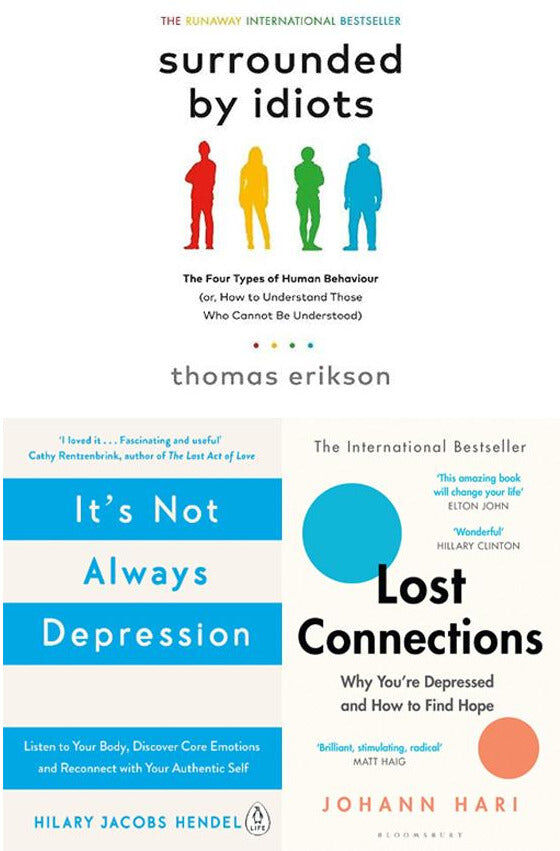
Bloomsbury Publishing Lost Connections, It's Not Always Depression, Surrounded by Idiots 3 Books Collection SetLost Connections by Johann Hari THE INTERNATIONAL BESTSELLER 'A book that could actually make us happy' SIMON AMSTELL 'This amazing book will change your life' ELTON JOHN 'One of the most important texts of recent years' BRITISH JOURNAL OF GENERAL PRACTICE 'Brilliant, stimulating, radical' MATT HAIG 'The more people read this book, the better off the world will be' NAOMI KLEIN 'Wonderful' HILLARY CLINTON 'Eye-opening' GUARDIAN 'Brilliant for anyone wanting a better understanding of mental health' ZOE BALL 'A game-changer' DAVINA MCCALL 'Extraordinary' DR MAX PEMBERTON 'Beautiful' RUSSELL BRAND Depression and anxiety are now at epidemic levels. Why? Across the world, scientists have uncovered evidence for nine different causes. Some are in our biology, but most are in the way we are living today. Lost Connections offers a radical new way of thinking about this crisis. It shows that once we understand the real causes, we can begin to turn to pioneering new solutions - ones that offer real hope. It's Not Always Depression by Hilary Jacobs Hendel Cutting-edge and accessible psychotherapy to put us back in touch with our emotions - and fast 'I loved it ... I have drawn my own picture of the change triangle - both fascinating and useful' - Cathy Rentzenbrink We were all taught that our thoughts affect our emotions, but in truth it is largely the other way around: we have to experience our emotions to truly understand our thoughts, and our full selves. This is why we should think not only about cognitive behavioural therapy or medication, but also about our emotions, when addressing psychological suffering. In It's Not Always Depression, pioneering psychotherapist Hilary Jacobs Hendel reveals the most effective techniques for putting us back in touch with the emotions we too often deny - methods which can be used by anyone, any time, anywhere. Drawing on stories from her own practice, she sheds light on the core emotions (such as joy, sadness and fear), defences (anything we do to avoid feeling) and inhibitory emotions (anxiety, shame and guilt), and how understanding their interaction can help us return to mental well-being. This is the basis of 'accelerated experiential dynamic psychotherapy:' it accelerates healing through having an emotional experience in the here and now. It allows you to reacquaint yourself with your feelings, to recover a more authentic self and to be more calm, curious and connected. Winner of Nautilus Silver for Personal Growth Books 2019 Surrounded by Idiots by Thomas Erikson You are not alone. After a disastrous meeting with a highly successful entrepreneur, who was genuinely convinced he was 'surrounded by idiots', communication expert and bestselling author, Thomas Erikson dedicated himself to understanding how people function and why we often struggle to connect with certain types of people. Originally published in Swedish in 2014 as Omgiven Av Idioter, Erikson's Surrounded by Idiots is already an international phenomenon,...19,56 £*Shipping: 2,99 £Secure redirect to the provider
-
Was the Great Depression of 1929 purely a stock market crisis?
The Great Depression of 1929 was not purely a stock market crisis. While the stock market crash of 1929 was a significant factor that triggered the economic downturn, there were other underlying causes that contributed to the severity and duration of the Depression. These included overproduction, high levels of debt, unequal distribution of wealth, and a lack of government regulation in the financial sector. The combination of these factors led to a widespread economic collapse that affected not only the stock market but also industries, businesses, and individuals across the country. **
-
What was the Great Depression of 1929? Can you help me?
The Great Depression of 1929 was a severe worldwide economic downturn that began in the United States. It was triggered by the stock market crash of October 1929, which led to widespread unemployment, poverty, and a significant decline in industrial production. The Great Depression lasted for about a decade and had a profound impact on the global economy, leading to significant social and political changes. I would be happy to help you learn more about the Great Depression and its historical significance. **
-
What was the relationship between the state and the market during the Great Depression?
During the Great Depression, the relationship between the state and the market shifted significantly. The government took a more active role in regulating and intervening in the market to try and stabilize the economy. This led to the implementation of various policies and programs aimed at providing relief to those affected by the economic downturn, such as the New Deal programs in the United States. The state played a crucial role in trying to address the failures of the market and prevent further economic collapse. **
-
Why do people get depression?
People can develop depression for a variety of reasons, including genetic predisposition, brain chemistry, and life experiences. Traumatic events, chronic stress, and major life changes can all contribute to the development of depression. Additionally, certain medical conditions, such as chronic illness or hormonal imbalances, can also increase the risk of developing depression. It is important to remember that depression is a complex condition with multiple contributing factors, and it can affect anyone regardless of age, gender, or background. **
* All prices are inclusive of VAT and, if applicable, plus shipping costs. The offer information is based on the details provided by the respective shop and is updated through automated processes. Real-time updates do not occur, so deviations can occur in individual cases. ** Note: Parts of this content were created by AI.